How Sugar Really Affects Your Child’s Teeth
Sugar gets a lot of attention in parenting conversations, and for good reason. But the full picture is a little more nuanced than “sugar is bad.” Is it the amount of sugar, the type, or how often kids have it that really matters?
At Next Level Pediatric Dentistry in Tarrytown, NY, we guide families through what actually impacts cavity risk, how sugar affects teeth over time, and what steps can help protect your child’s smile.
What Sugar Actually Does to Teeth
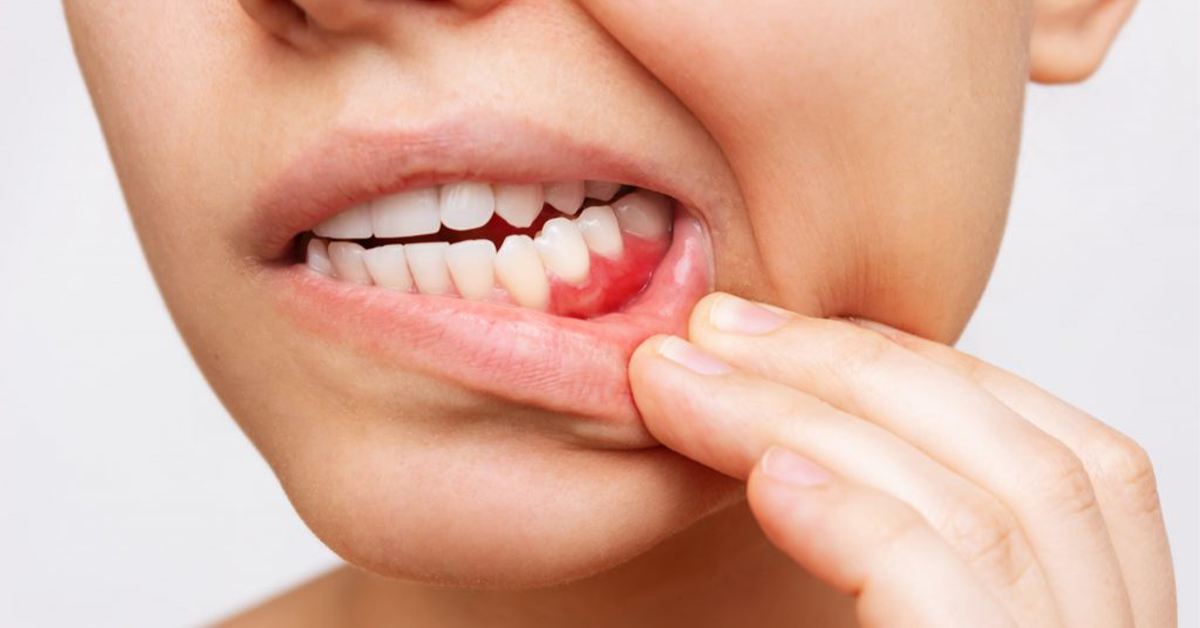
When your child eats or drinks something sugary, bacteria naturally present on the teeth feed on that sugar and produce acid. That acid breaks down enamel, the protective outer layer of the tooth, and over time this process is what leads to cavities.
This is why frequency matters more than quantity. A child who has one sugary treat after lunch and brushes afterward is in a very different position than one who sips juice or snacks throughout the day.
Each time sugar is introduced, the acid cycle starts again, and enamel needs time between those cycles to recover. That repeated pattern is the real reason tooth decay develops, especially in kids whose teeth are still forming.
Does All Sugar Affect Teeth the Same Way?
Parents frequently want to know whether natural sugar is bad for teeth the same way processed sugar is. The honest answer is that from a dental standpoint, the distinction matters less than most people expect.
Natural sugars found in fruit and juice can still feed bacteria and create acid in the mouth. It’s common to wonder if honey is better than sugar for teeth, but it can be just as risky. Because of its sticky texture, it can cling to teeth longer, which may increase the chance of decay if teeth aren’t brushed afterward.
The source of the sugar is less important than how often teeth are exposed to it and what follows.
Drinks and Hidden Sugars: What to Watch For
Some of the biggest sources of sugar aren’t always obvious either. Drinks, in particular, can expose teeth to sugar over extended periods. Flavored water often feels like a better alternative to soda or juice, but it’s not as harmless as it seems. Many options contain added sugars or citric acid that can weaken enamel, especially when sipped throughout the day rather than consumed at once. Juice, sports drinks, and drinks marketed as healthy options can carry similar risks. Getting into the habit of checking labels for both sugar content and acidity can make a big difference.
How to Protect Teeth from Sugar
The goal isn’t to eliminate sugar completely, but to manage it in a way that supports your child’s oral health.
Here are a few practical ways to protect teeth from sugar:
● Offer water between meals rather than juice or flavored drinks
● Keep sugary snacks to defined times rather than allowing continuous grazing
● Brush twice daily with fluoride toothpaste, particularly after sugary meals
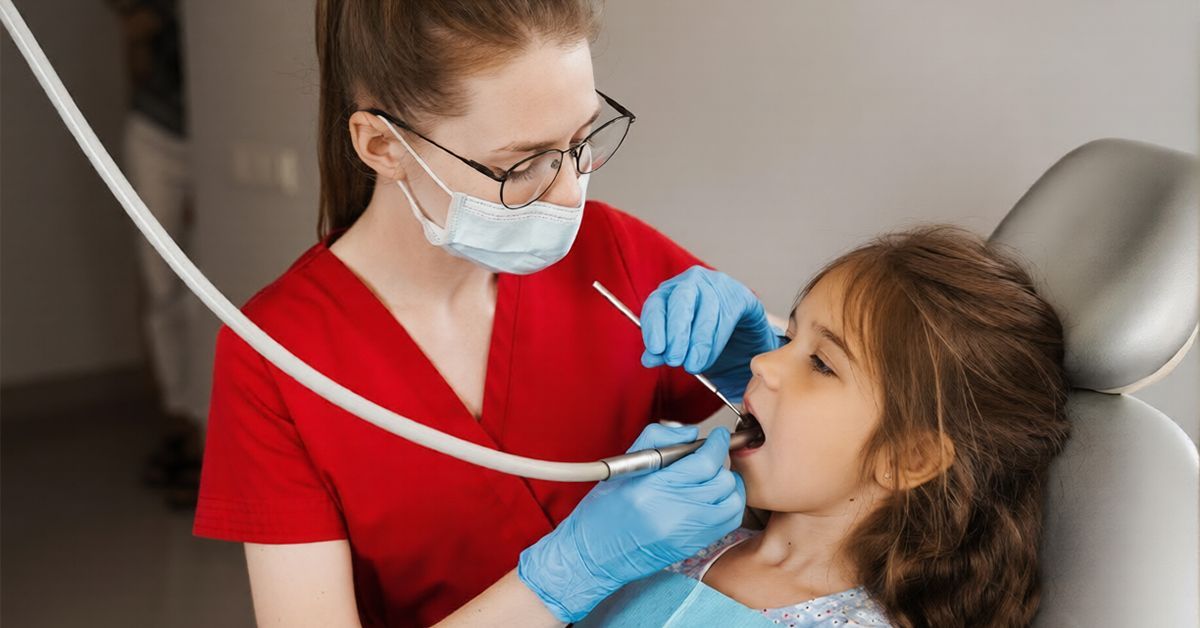
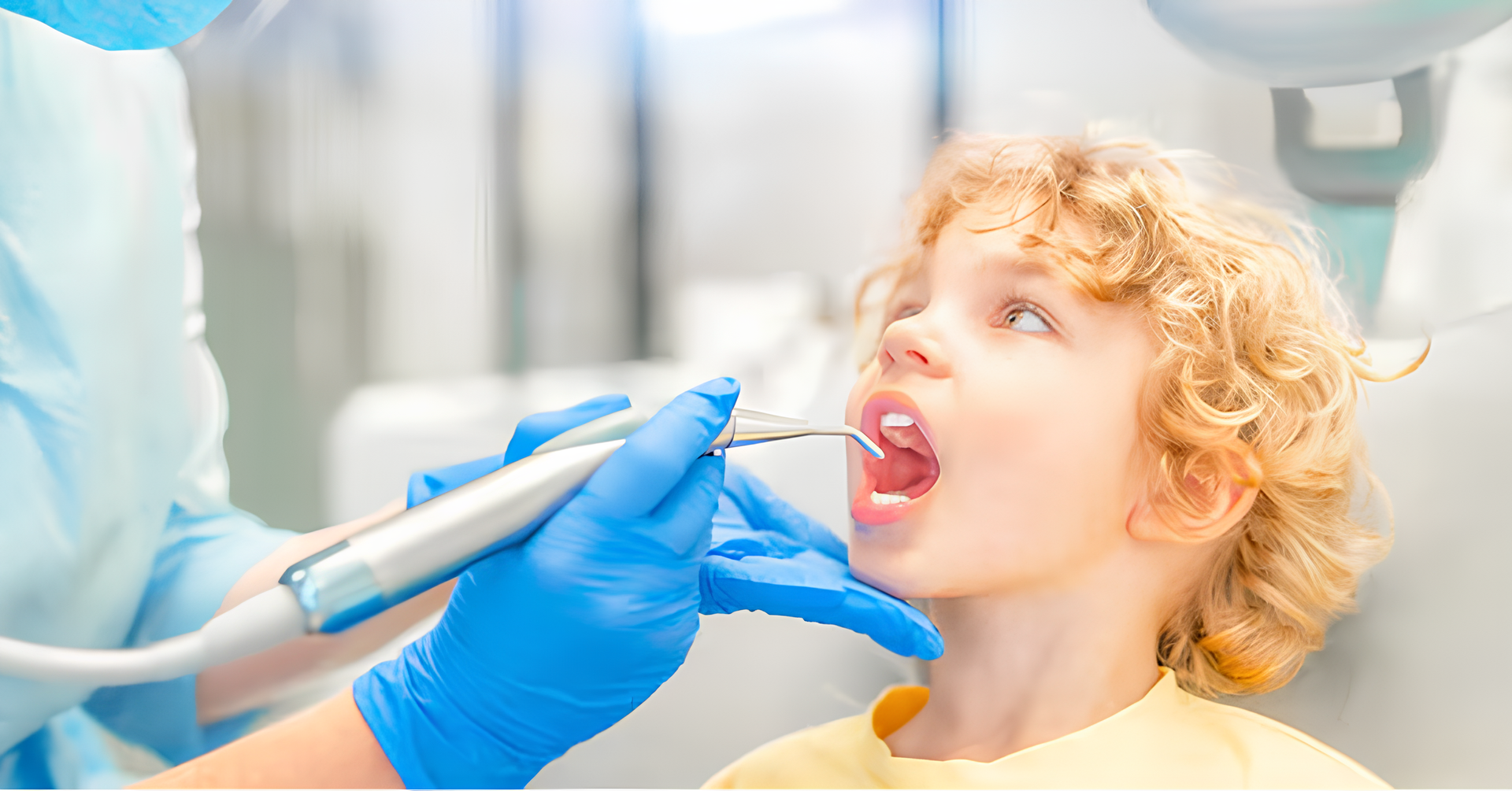
● Schedule routine preventive visits so early decay is caught before it progresses
● Ask about fluoride treatments at checkups, which strengthen enamel and reduce cavity risk between visits
● For early stage decay that's already been identified, non-invasive treatment options like SDF can stop progression without drilling
Small changes in daily habits can make a big difference over time.
When to Talk to Your Pediatric Dentist
If your child is getting cavities despite reasonable habits, it’s worth looking beyond diet alone. Some children have naturally thinner enamel, higher levels of cavity-causing bacteria, or dry mouth tendencies that increase their risk regardless of sugar intake.
A conversation with your pediatric dentist can help identify whether something underlying is contributing and what additional preventive steps may help.
Next Steps for Your Child’s Oral Health
Sugar is part of everyday life, but understanding how it affects your child’s teeth can help you make informed choices. With the right habits and support, it’s possible to reduce risk while still keeping things realistic for your family.
If you have questions about your child's cavity risk or want to build a prevention plan that fits your family's routine, Dr. Mensah and the team at Next Level Pediatric Dentistry are easy to reach. Book online or call our Tarrytown office at 914-327-2091.