Thumb Sucking Teeth Damage: When Should It Stop?
Thumb sucking is a natural behavior for many young children, especially in the early years. As your child gets older, you may begin to wonder when it becomes a concern and how it could affect their dental development.
At Next Level Pediatric Dentistry in Tarrytown, NY, we help families understand how thumb sucking fits into their child’s growth and when it may need a closer look.
What Is Thumb Sucking and Why Do Kids Do It?
Thumb sucking is a natural reflex that helps babies and toddlers self-soothe. It’s common during sleep, moments of stress, or big transitions, and in early childhood, it’s typically harmless.
Thumb sucking is a natural reflex that helps babies and toddlers self-soothe. It's common during sleep, moments of stress, or big transitions offering a sense of comfort and security that young children haven't yet found other ways to access.
For many children, it fades on its own as they develop new ways to self-regulate.
When Is Thumb Sucking a Problem?
In early childhood, occasional thumb sucking is usually not a concern. A common question parents have is what age thumb sucking should stop. A habit that continues beyond three or four, or one that is frequent and forceful rather than occasional, is worth addressing. If thumb sucking is still present as permanent teeth begin to come in, that's the point to take a more active approach.
How Thumb Sucking Affects Teeth
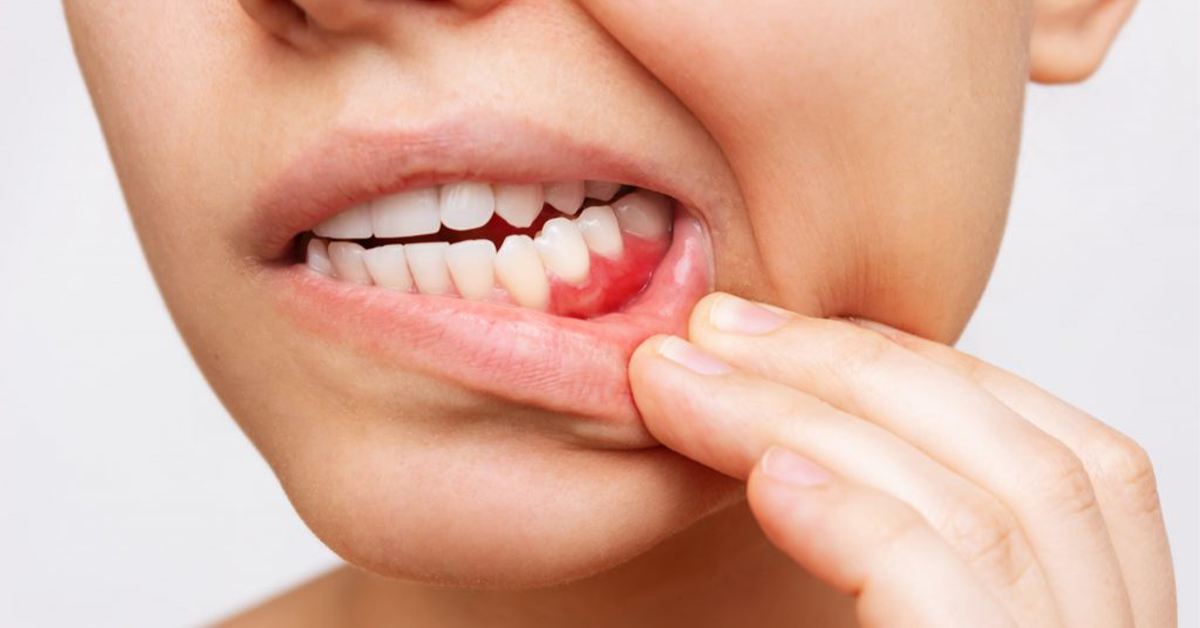
Over time, repeated pressure from thumb sucking can influence the way teeth grow and align. Some of the most common effects on teeth include:
● Changes in bite alignment, such as an overbite
● Shifting of front teeth outward
● Narrowing of the upper jaw or palate
● Difficulty with proper speech development
Because children’s mouths are still developing, these changes can happen gradually and may not be immediately noticeable.
Thumb Sucking Teeth Damage: What to Watch For
Not every child who sucks their thumb will experience lasting effects, but when the habit continues over time, certain patterns may begin to appear. What parents tend to notice first are the functional signs: a gap between the upper and lower front teeth when the mouth is closed, changes in how their child bites into food, or a subtle shift in certain sounds when they speak.
If any of these sound familiar, it’s worth bringing up at your child’s next visit. The earlier these changes are identified, the more straightforward treatment options tend to be.
How to Help Your Child Stop Thumb Sucking
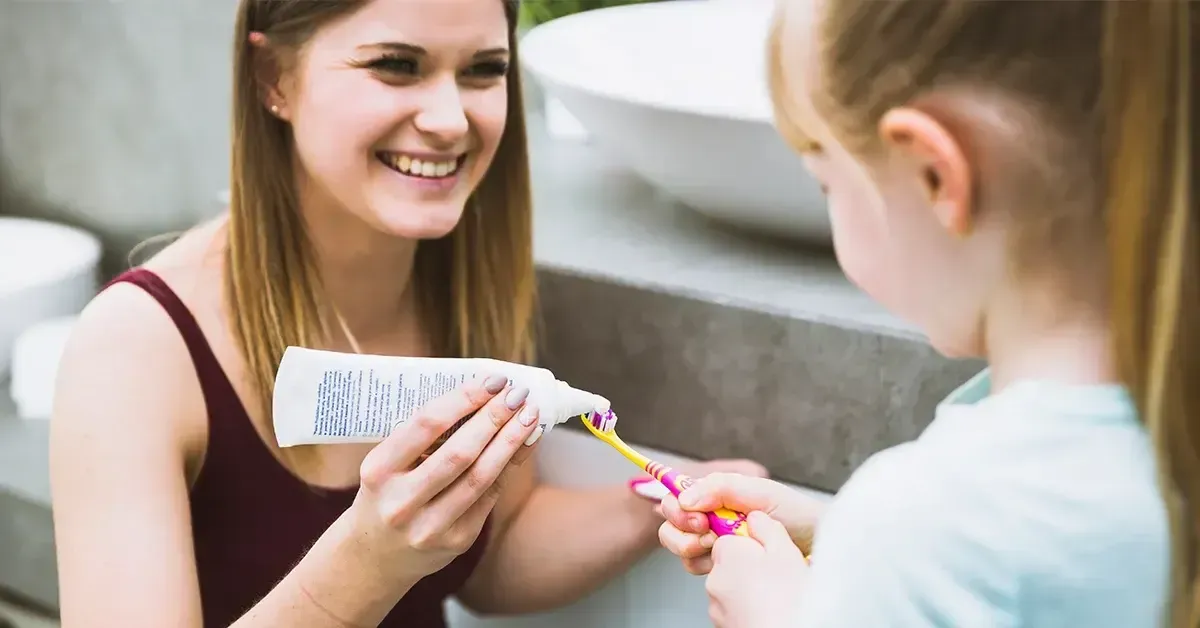
Breaking the habit takes time, patience, and a supportive approach. A few approaches that tend to work:
● Positive reinforcement tied to specific, noticeable progress
● Identifying the triggers, as boredom, anxiety, and bedtime are the most common
● Gentle reminders during the times the habit shows up most
● Swapping in an alternative comfort object or routine
If you've worked through these and the habit is holding on, that's a good signal to loop in your pediatric dentist. Sometimes guidance from someone outside the family, or a simple non-invasive intervention that makes the transition easier.
When to Talk to Your Pediatric Dentist
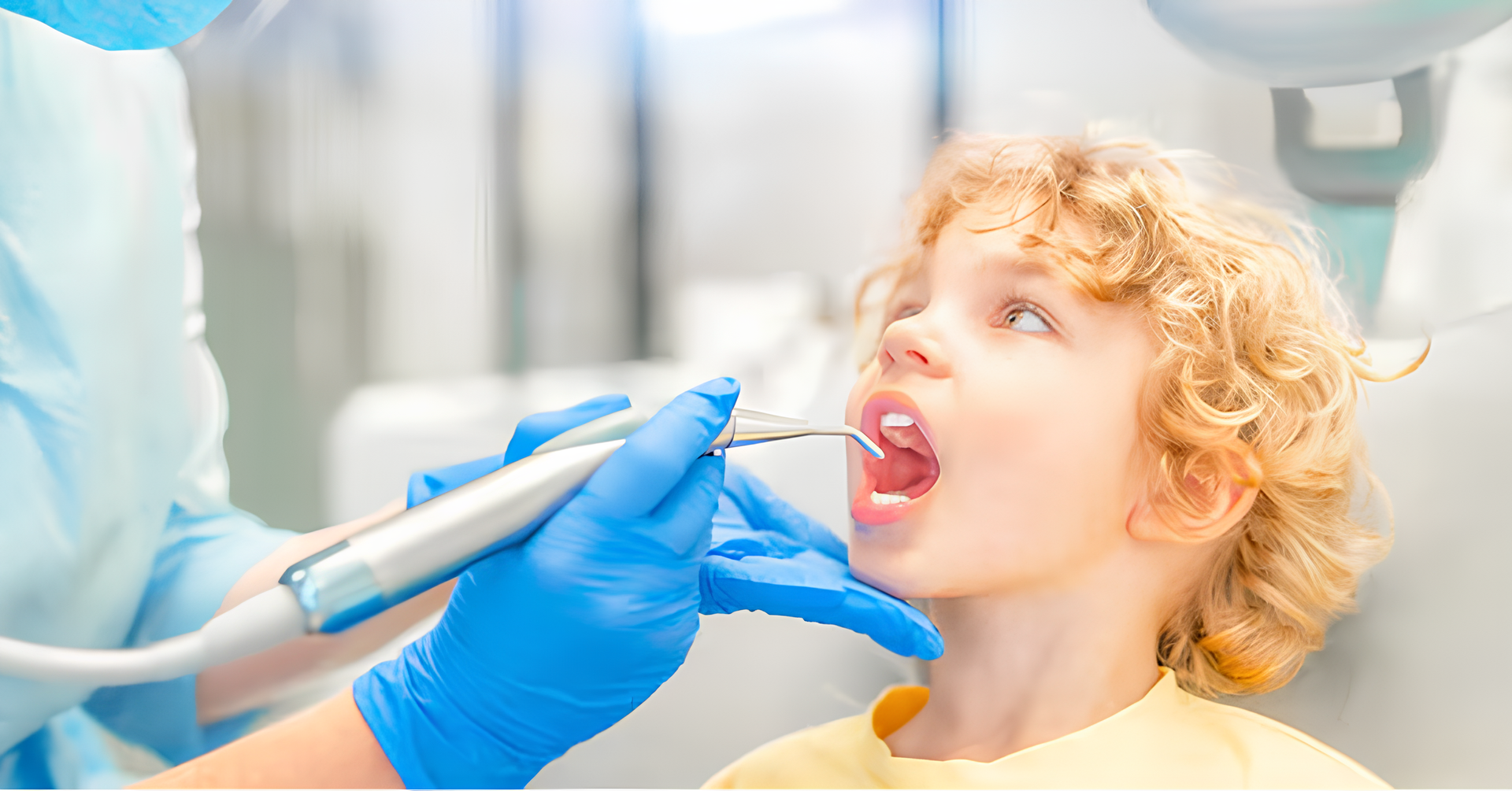
It’s a good idea to bring this up to your child’s dentist if they are approaching school age and still sucking their thumb regularly, if you’ve started noticing changes in their bite or tooth position, or if progress at home has been limited.
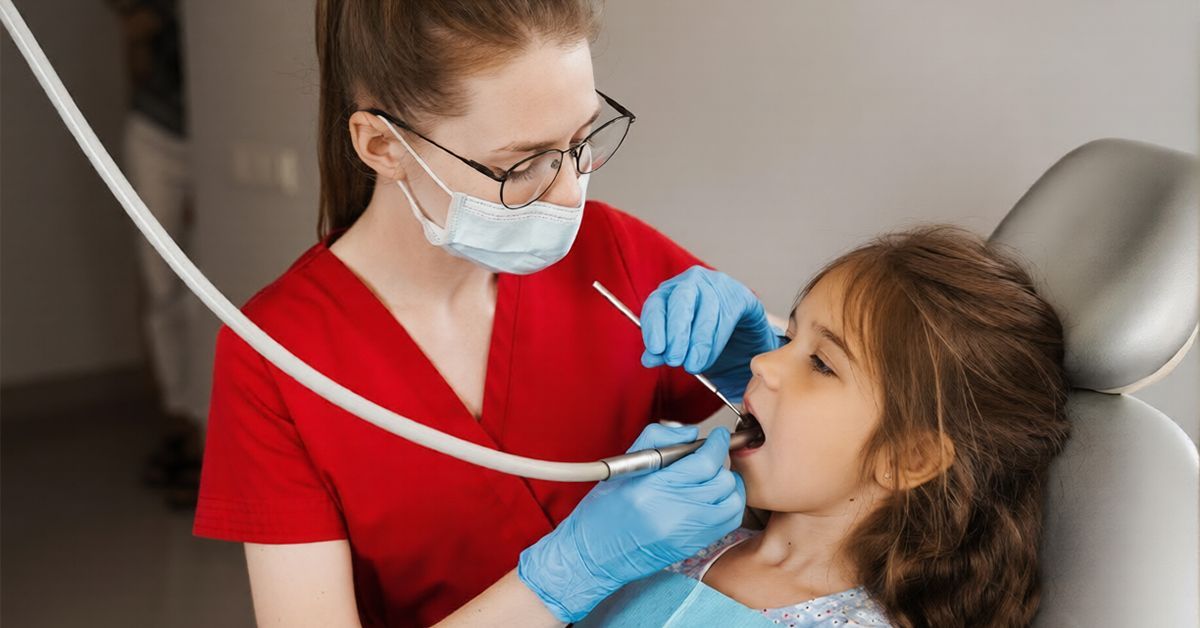
Routine exams allow us to track bite development and identify early changes before they become more complex. When additional protection is needed, fluoride treatments can help keep developing teeth strong while the habit is being addressed.
Next Steps for Your Child’s Oral Health
Thumb sucking is a normal part of early childhood, and many children outgrow it without lasting effects. For those who don’t, timing plays an important role. Addressing early stages can help prevent long-term changes in how your child’s smile develops.
If you have questions about your child’s dental development or would like Dr. Mensah to take a closer look, we’re here to help. Book online or call our Tarrytown office at 914-327-2091 to get started.