How Dental Crowns for Kids Help Protect Your Child's Smile
A cavity is one thing. Being told your child needs a crown is another. Many parents leave that appointment with more questions than answers, wondering whether a crown is really necessary for a tooth that is going to fall out anyway, whether it will hurt, and what it will look like.
Those are reasonable questions, and the answers are more reassuring than most parents expect. Dental crowns for kids are one of the most commonly placed restorations in pediatric dentistry. When they are the right call, they do a job that a filling simply cannot: fully covering and protecting a tooth that has lost too much structure to hold up on its own. Done well, a crown keeps a damaged baby tooth functional and stable until it falls out naturally on schedule.
Less widely known is that crowns also play a preventive role. A properly placed kids' tooth crown completely seals out bacteria, which means a tooth that has already had decay treated is no longer at risk of that same decay progressing. For children who are cavity-prone or who have enamel that wears more easily than average, that level of protection matters.
This guide covers when dental crowns for kids are recommended, which types are available and how they differ, what the appointment actually involves, and how the team at Next Level Pediatric Dentistry approaches crown placement for children across Westchester County.
Why Baby Teeth Are Worth Protecting
The most common objection parents raise when a crown is recommended is that the tooth will eventually fall out. That is true, but baby teeth are not placeholders that can be pulled without consequence if they become inconvenient. They serve several active functions that affect how your child grows, speaks, and eats right now, and how their permanent teeth come in later.
Baby teeth hold the space that permanent teeth need. When a baby tooth is lost too early, the teeth on either side drift inward to fill the gap. That narrows the space the permanent tooth needs to erupt properly, often resulting in crowding or misalignment that requires orthodontic correction later. A kid's tooth crown keeps the tooth in place and on its natural timeline, which protects the spacing that permanent teeth depend on.
Baby teeth also support chewing, which affects nutrition. A child with a painful or broken back molar compensates by chewing on one side or avoiding harder foods entirely. Over time, that affects their diet. Speech development is also tied to baby teeth, particularly the front ones. Early tooth loss from untreated decay can affect how certain sounds are formed during the years children are still learning to speak clearly.
Understanding how decay progresses through each stage helps explain why intervention at the crown stage is often the most conservative option left once a filling is no longer adequate.
When a Filling Is No Longer Enough
Fillings work well for cavities that affect a limited portion of the tooth surface. When decay is extensive, when a tooth has cracked, or when a pulpotomy has already been performed to address infected pulp, a filling does not provide sufficient coverage or structural reinforcement. The tooth has lost too much of its natural structure to reliably hold a filling.
A crown for a kid's tooth covers the entire visible surface above the gum line. It distributes chewing forces evenly, seals the margins against bacterial entry, and restores the tooth to full function. For back teeth that take the brunt of chewing pressure, that full coverage is what makes the restoration durable enough to last until the tooth falls out naturally.
When Are Dental Crowns Recommended for Kids?
Pediatric dentists recommend crowns in specific clinical situations, not as a default response to any cavity. The following are the most common reasons a crown becomes the appropriate choice.
1. Extensive Decay That Has Compromised Tooth Structure
When a cavity is large enough that the remaining healthy tooth structure cannot support a filling, a crown is the next step. Decay that affects multiple surfaces of a tooth, or that has been present long enough to undermine the walls of the tooth, leaves too little natural material for a filling to bond to reliably. Dental crowns for kids restore the tooth's full shape and function in those cases.
This is also why catching cavities early matters so much. A small cavity treated at the right time stays a filling. A cavity that goes undetected or untreated long enough becomes a crown. The relationship between sugar, bacterial acids, and enamel breakdown explains how decay progresses to the point where more extensive restoration becomes necessary.
2. After a Pulpotomic Procedure
A pulpotomy is a minor dental procedure that removes infected or inflamed tooth pulp tissue from the crown portion of a baby tooth while preserving the healthy root pulp below. It is performed when decay has reached the inner chamber of the tooth but has not yet spread to the root. After the infected tissue is removed and the chamber is sealed, a crown is placed over the tooth to protect the treated structure and prevent reinfection.
Skipping the crown after a pulpotomy is not a clinical option. The tooth has been opened and treated internally, and the remaining structure needs full coverage to function and stay protected until it falls out. The crown is not a separate add-on; it completes the pulpotomy procedure.
3. Fractured or Broken Teeth
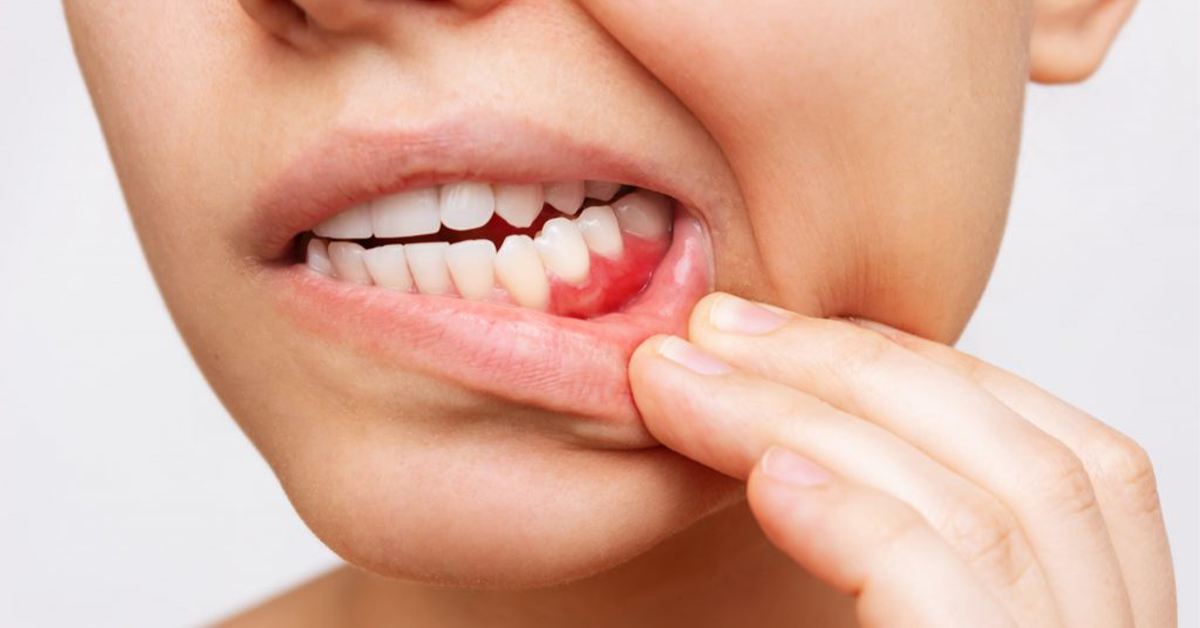
Falls, collisions during play, and sports injuries can crack or fracture baby teeth, exposing the inner dentin or pulp. Depending on the extent of the fracture, a crown may be placed as the best solution to stabilize the tooth and prevent bacterial entry into the exposed surface. For children who have chipped a front tooth, the case for a crown or crown-like restoration is often strong. Our chipped tooth guide for parents covers what to do immediately after that kind of injury.
4. Weak or Hypomineralized Enamel
Some children have enamel that did not form with normal density or strength. Molar hypomineralization, for example, is a condition where the enamel of the first permanent molars is structurally compromised, making those teeth unusually susceptible to decay and breakdown even with good oral hygiene. A crown for a kid's tooth provides a durable outer surface that protects a tooth whose natural enamel cannot do that job adequately on its own.
Types of Dental Crowns for Kids
Not all pediatric crowns are the same. The recommended type depends on which tooth needs coverage, the extent of the decay, and what the parent and dentist decide together regarding cosmetics.
| Crown Type | Best For | Key Advantage |
|---|---|---|
| Stainless steel | Back teeth (molars) | Extremely durable, cost-effective, single appointment |
| Tooth-colored composite | Front teeth, mild to moderate cases | Natural appearance, blends with surrounding teeth |
| Zirconia | Front and back teeth | Strongest aesthetic option, highly durable |
1. Stainless Steel Crowns
For decades, stainless steel crowns have been used for kids, and remain the most commonly placed crown for back teeth. They are pre-formed, adjusted to fit at the chairside, and cemented in a single appointment. Their durability is unmatched by that of other materials for primary molars, which experience significant chewing pressure daily. Because they sit on the back teeth, they are rarely visible when a child smiles or talks.
For parents focused primarily on function and longevity, stainless steel is a reliable and well-supported choice.
2. Tooth-Colored Crowns for Kids
Tooth colored crowns for kids are the preferred option when the tooth being restored is visible. For front teeth in particular, a stainless steel crown would be immediately noticeable, and many parents prefer a restoration that matches the natural color of the surrounding teeth. Tooth colored crowns for kids are made from composite resin or zirconia and are designed to blend with the child's existing tooth color.
The role of tooth colored crowns for kids in pediatric dentistry has grown significantly as materials have improved. Earlier composite options had durability limitations on back teeth. Still, current zirconia-based tooth colored crowns for kids hold up well in most positions and offer both aesthetic and functional coverage.
3. Zirconia Crowns
Zirconia crowns represent the premium option in terms of both aesthetics and strength. They are milled to match the child's tooth anatomy, offer a highly natural appearance, and are strong enough for use on both front and back teeth. They typically require slightly longer chairside preparation than stainless steel and may cost more depending on insurance coverage. For parents who want the most natural-looking result across all tooth positions, zirconia is worth discussing with the dentist.
What the Crown Appointment Looks Like
The procedure for placing a kid's dental crown is less involved than most parents anticipate. For children who have not had significant dental work before, knowing what each step involves reduces anxiety on both sides considerably.
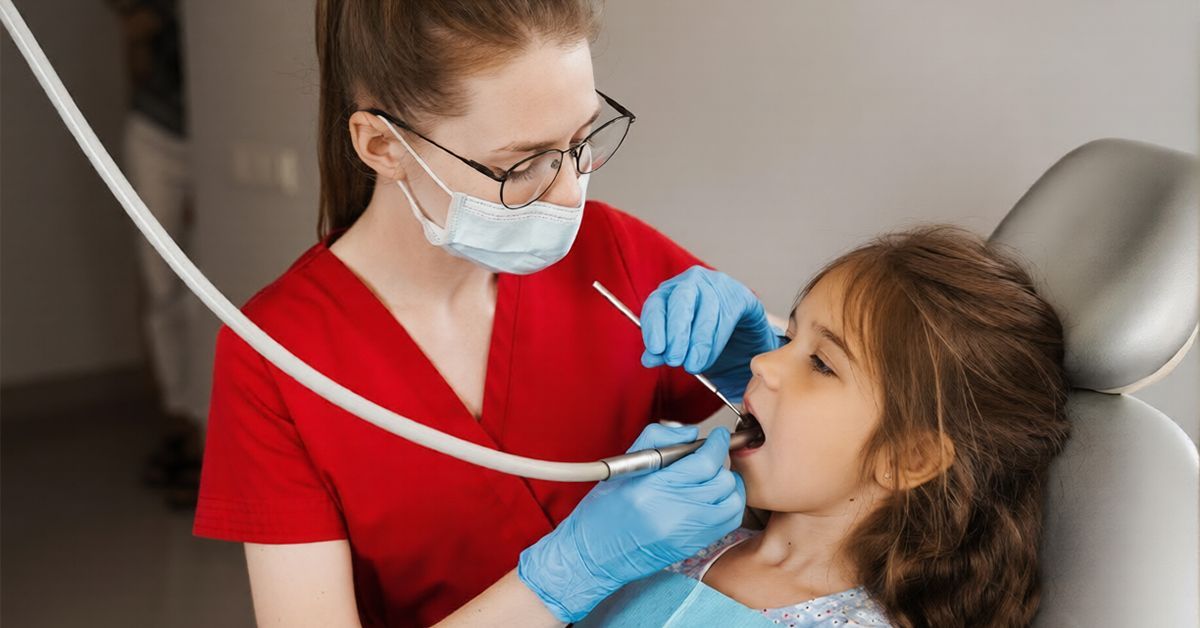
The appointment begins with a clinical exam and, if not already taken, X-rays to confirm the extent of decay and the condition of the root. Local anesthetic is administered to numb the area before any preparation begins. The dentist removes the decayed part and shapes the tooth to receive the crown. For stainless steel crowns, pre-formed shells are tried for fit and adjusted as needed before being cemented in place. For zirconia or tooth-colored options, the process may involve digital impressions or a slightly longer fitting step.
Most crown appointments are completed in a single visit. The tooth is numb throughout, and children who have had a local anesthetic before typically find the experience much more manageable than they expected. For children with significant dental anxiety or those who require additional support to stay comfortable, gentle sedation options are available at Next Level Pediatric Dentistry.
After the appointment, some mild soreness as the anesthetic wears off is normal and resolves within a day or two. The crown itself requires no special care beyond regular brushing and flossing. It falls out naturally with the baby tooth when the time comes.
How Crowns Fit Into a Broader Approach to Protecting Your Child's Teeth
A crown is restorative care. By definition, it means decay or damage has already progressed to a point where more conservative treatment is not enough. That is not a failure; it is a clinical reality for many children, particularly those who are cavity-prone, who have enamel irregularities, or who came in for care after decay had already advanced.
But placing a crown is also an opportunity to reset. Once the tooth is covered and sealed, the focus shifts to preventing new decay on adjacent teeth and keeping the newly restored tooth clean. That means revisiting brushing and flossing techniques, talking about diet, and scheduling professional cleanings that allow the dentist to catch early problems before they require the next crown.
Preventive care at Next Level Pediatric Dentistry is built around these routine visits that catch decay early enough to keep restorative work to a minimum. For children who have already needed a crown, those visits become even more important as a monitoring tool.
For teeth where decay has been caught early, non-invasive treatments, including silver diamine fluoride, may arrest decay without the need for a crown. The right treatment path depends on the stage of decay and the specific tooth involved, which is why a thorough clinical evaluation is always the starting point.
Families across Westchester County, including those from Ossining, Irvington, and Dobbs Ferry, bring their children to Next Level Pediatric Dentistry in Tarrytown for restorative care that is thorough, child-centered, and clearly explained at every step.
Book a Crown Consultation for Your Child at Next Level Pediatric Dentistry
If your child has been told they need a crown, or if you have noticed a tooth that looks damaged or discolored, or is causing discomfort, the right move is to have a professional evaluation. Dental crowns for kids are a straightforward, well-established treatment when the clinical situation calls for them, and placing one at the right time prevents the kind of infection or tooth loss that can create larger problems later.
Dr. Josephine Korlei Mensah and the team at Next Level Pediatric Dentistry in Tarrytown evaluate each tooth individually and walk parents through exactly what is happening and why before any treatment begins. If a crown is the right choice, you will understand the reasoning. If another option is appropriate, that will be the recommendation instead.
Call or book online today to schedule your child's appointment.
Frequently Asked Questions
Do dental crowns for kids hurt when placed?
The area is fully numbed with local anesthetic before any work begins. Most children are surprised by how manageable the appointment feels. Mild soreness after the anesthetic wears off is normal and typically resolves within a day or two.
Will a kid's tooth crown fall out on its own?
Yes. A crown placed on a baby tooth falls out naturally along with the tooth when the time comes. No additional procedure is needed to remove it. The permanent tooth erupts normally beneath it.
Are tooth colored crowns for kids as durable as stainless steel?
Modern zirconia-based tooth-colored crowns for kids are highly durable and hold up well in most positions, including back teeth. Stainless steel remains the most widely used option for primary molars where aesthetics are less of a concern, but zirconia is a strong alternative when appearance matters.
Is a crown really necessary if the baby tooth will fall out?
In most cases where a crown is recommended, yes. Baby teeth maintain the space for permanent teeth, support chewing and speech, and guide jaw development. Losing one prematurely from untreated decay creates spacing problems that often require orthodontic correction. A crown preserves the tooth on its natural timeline.
What is the difference between a crown and a filling?
A filling restores a specific area of decay within the tooth. A crown for a kid's tooth covers the entire visible surface above the gum line. Crowns are recommended when the remaining tooth structure is insufficient to reliably support a filling, or when the tooth requires full coverage after a pulpotomy.
Does insurance cover dental crowns for kids?
Coverage varies by plan. Most dental insurance policies that cover restorative care include some coverage for pediatric crowns. The team at Next Level Pediatric Dentistry can verify your coverage & benefits and walk you through what to expect before treatment begins.